
 Short Stories of Science and InventionA Collection of Radio Talks byCharles F. KetteringINDEXWeekly, from September 1942 to July 1945, Charles F. Kettering gave five-minute intermission talks about Science and Invention during the radio broadcasts of the General Motors Symphony of the Air. Kettering invented the first automobile self-starter, and for 31 years directed a research laboratory for General Motors. These radio talks are a fascinating legacy from the mind of a prolific inventor. The obvious anachronisms now add a historical perspective of the war-time period in which they were written. These web pages now preserve some of the most popular stories for a new generation to read The text and art come from a General Motors booklet of selected talks. (Reprint, March 1959) |
A Radio Talk by Charles F. Kettering We often receive letters from young
people or their parents asking where the best opportunities for the
future lie. Our answer is that special opportunities do not exist
in the particular industry or profession - they exist within men themselves. |
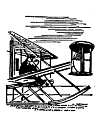 On
On 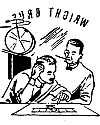 and to
finance their experiments they sold kites, folded papers, and
collected junk. When bicycles became the fad, the Wright boys each
saved up enough money to buy one. This was a new field to them and,
after a thorough job of investigation, they went into the bicycle
business. Business grew; they not only sold several makes but repaired
them, and in 1895 even brought out a custom model of their own make -
the
and to
finance their experiments they sold kites, folded papers, and
collected junk. When bicycles became the fad, the Wright boys each
saved up enough money to buy one. This was a new field to them and,
after a thorough job of investigation, they went into the bicycle
business. Business grew; they not only sold several makes but repaired
them, and in 1895 even brought out a custom model of their own make -
the 







