
 Short Stories of Science and InventionA Collection of Radio Talks byCharles F. KetteringINDEXWeekly, from September 1942 to July 1945, Charles F. Kettering gave five-minute intermission talks about Science and Invention during the radio broadcasts of the General Motors Symphony of the Air. Kettering invented the first automobile self-starter, and for 31 years directed a research laboratory for General Motors. These radio talks are a fascinating legacy from the mind of a prolific inventor. The obvious anachronisms now add a historical perspective of the war-time period in which they were written. These web pages now preserve some of the most popular stories for a new generation to read The text and art come from a General Motors booklet of selected talks. (Reprint, March 1959) |
A Radio Talk by Charles F. Kettering 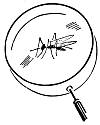 One of our most valuable engineering possessions today is the
Panama Canal. This Canal saves the ships going through it as many as
9,500 miles or about a month's travelling time. The building of the
Panama Canal was the first full scale test of sanitary engineering
which had been started by Dr. Donald Ross in his fight against malaria
and Dr. Walter Reed and Dr. Finlay in
their fight against yellowjack or
yellow fever.
One of our most valuable engineering possessions today is the
Panama Canal. This Canal saves the ships going through it as many as
9,500 miles or about a month's travelling time. The building of the
Panama Canal was the first full scale test of sanitary engineering
which had been started by Dr. Donald Ross in his fight against malaria
and Dr. Walter Reed and Dr. Finlay in
their fight against yellowjack or
yellow fever.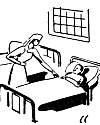 To show you the importance of this full scale attempt to control
disease, in 1880 the French organized a company under Ferdinand de
Lesseps, to build a canal from the Atlantic to the Pacific Ocean.
De
Lesseps was the man who had built the Suez Canal and was well fitted to
do this job. The French company spent hundreds of millions of dollars
but they gave up in 1899, not because their machinery was inadequate
for the job or their plans were wrong. The thing that stopped them was
malaria and yellow fever. So effective was this stoppage that in 1900
all they had left to show for their great effort was a partly finished
canal overgrown with jungle, rusted, vine-covered machinery and Monkey
Hill Cemetery, which contained, as one writer says: "acres and acres of
little white crosses."
To show you the importance of this full scale attempt to control
disease, in 1880 the French organized a company under Ferdinand de
Lesseps, to build a canal from the Atlantic to the Pacific Ocean.
De
Lesseps was the man who had built the Suez Canal and was well fitted to
do this job. The French company spent hundreds of millions of dollars
but they gave up in 1899, not because their machinery was inadequate
for the job or their plans were wrong. The thing that stopped them was
malaria and yellow fever. So effective was this stoppage that in 1900
all they had left to show for their great effort was a partly finished
canal overgrown with jungle, rusted, vine-covered machinery and Monkey
Hill Cemetery, which contained, as one writer says: "acres and acres of
little white crosses."Now, most people thought of this canal as being a great construction engineering project and when, in 1904, the United States bought the French concessions for about twenty million dollars, we felt that this was just another job for American ingenuity. A big job, everybody conceded, but nothing unusual for us. |







