
 Short Stories of Science and InventionA Collection of Radio Talks byCharles F. KetteringINDEXWeekly, from September 1942 to July 1945, Charles F. Kettering gave five-minute intermission talks about Science and Invention during the radio broadcasts of the General Motors Symphony of the Air. Kettering invented the first automobile self-starter, and for 31 years directed a research laboratory for General Motors. These radio talks are a fascinating legacy from the mind of a prolific inventor. The obvious anachronisms now add a historical perspective of the war-time period in which they were written. These web pages now preserve some of the most popular stories for a new generation to read The text and art come from a General Motors booklet of selected talks. (Reprint, March 1959) |
A Radio Talk by Charles F. Kettering 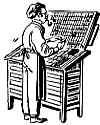 More than 500 years ago, Gutenberg developed the art of printing,
and to him goes the credit for the first step in the mass-production
idea. And although this idea of "exact duplication" became firmly
established in printing, no one seemed to have thought of applying it
to anything else - that is, until Eli
Whitney came on the scene.
More than 500 years ago, Gutenberg developed the art of printing,
and to him goes the credit for the first step in the mass-production
idea. And although this idea of "exact duplication" became firmly
established in printing, no one seemed to have thought of applying it
to anything else - that is, until Eli
Whitney came on the scene. Every American knows the story of Whitney's invention of the cotton gin and what that has meant to the textile industry. Very few, however, are as familiar with his later development. It came about this way: In 1798, our government was in great need of rifles, It was then that Eli Whitney suggested the idea that has completely changed American industry. He offered to make 10,000 rifles for the government in two years - an amount which seems small to us now when we can produce that many in a day. But at that time production in such volume was unprecedented. |







