
 Short Stories of Science and InventionA Collection of Radio Talks byCharles F. KetteringINDEXWeekly, from September 1942 to July 1945, Charles F. Kettering gave five-minute intermission talks about Science and Invention during the radio broadcasts of the General Motors Symphony of the Air. Kettering invented the first automobile self-starter, and for 31 years directed a research laboratory for General Motors. These radio talks are a fascinating legacy from the mind of a prolific inventor. The obvious anachronisms now add a historical perspective of the war-time period in which they were written. These web pages now preserve some of the most popular stories for a new generation to read The text and art come from a General Motors booklet of selected talks. (Reprint, March 1959) |
A Radio Talk by Charles F. Kettering The Industrial man as a rule wants to know how our research organization is set up and how we select our problems. The Educator is interested in our projects from the standpoint of how much they involve Physics, Chemistry or Engineering. We, of course, believe that all fields of human endeavor offer great opportunities for research. Take for instance our three primary necessities - Food, Clothing and Shelter. They have been improved over centuries, yet there seems to be as great an opportunity for advancement here as in any new field. As an example - let us take clothing and, one material in particular - silk. Man in developing the sources of clothing, relied heavily on Nature - using plants, animals and even insects as suppliers of materials. 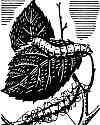 History states that as early as the year 2200 B.C. the
Chinese had already spun thread and produced garments of silk. As the
demand for silk increased, the business of cultivating silkworms,
raising mulberry leaves to feed them, and weaving the fabric became a
great industry in China. China kept the process a secret for almost
3000 years.
History states that as early as the year 2200 B.C. the
Chinese had already spun thread and produced garments of silk. As the
demand for silk increased, the business of cultivating silkworms,
raising mulberry leaves to feed them, and weaving the fabric became a
great industry in China. China kept the process a secret for almost
3000 years. |







