
 Short Stories of Science and InventionA Collection of Radio Talks byCharles F. KetteringINDEXWeekly, from September 1942 to July 1945, Charles F. Kettering gave five-minute intermission talks about Science and Invention during the radio broadcasts of the General Motors Symphony of the Air. Kettering invented the first automobile self-starter, and for 31 years directed a research laboratory for General Motors. These radio talks are a fascinating legacy from the mind of a prolific inventor. The obvious anachronisms now add a historical perspective of the war-time period in which they were written. These web pages now preserve some of the most popular stories for a new generation to read The text and art come from a General Motors booklet of selected talks. (Reprint, March 1959) |
A Radio Talk by Charles F. Kettering 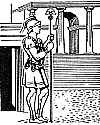 It
all started as a matter of geography.
Over 2,000 years ago, an ancient tribe of Gauls decided to settle at a
likely looking spot on the Moselle River. The surrounding country was
fertile and the town prospered and grew. We first hear of it in
Julius Caesar's account of the Gallic Wars when he captured it in about
the year 55 B.C. They called the place Mediomatrica which was later
shortened to Metz. The Romans, as was the custom, built forts
around the city and installed an aqueduct to supply water. It
all started as a matter of geography.
Over 2,000 years ago, an ancient tribe of Gauls decided to settle at a
likely looking spot on the Moselle River. The surrounding country was
fertile and the town prospered and grew. We first hear of it in
Julius Caesar's account of the Gallic Wars when he captured it in about
the year 55 B.C. They called the place Mediomatrica which was later
shortened to Metz. The Romans, as was the custom, built forts
around the city and installed an aqueduct to supply water.For several hundred years the town grew until in the 5th century it was plundered by Attila's Huns. Then for centuries Metz became a battleground for warring peoples - the French to the south and the Germans to the north. For 1500 years this city has been torn between two civilizations and, as a consequence, has literally armed itself to the teeth with forts and other defenses to protect itself from attack either north or south. |







