
 Short Stories of Science and InventionA Collection of Radio Talks byCharles F. KetteringINDEXWeekly, from September 1942 to July 1945, Charles F. Kettering gave five-minute intermission talks about Science and Invention during the radio broadcasts of the General Motors Symphony of the Air. Kettering invented the first automobile self-starter, and for 31 years directed a research laboratory for General Motors. These radio talks are a fascinating legacy from the mind of a prolific inventor. The obvious anachronisms now add a historical perspective of the war-time period in which they were written. These web pages now preserve some of the most popular stories for a new generation to read The text and art come from a General Motors booklet of selected talks. (Reprint, March 1959) |
A Radio Talk by Charles F. Kettering On a warm August day
in 1807 a large
crowd of people lined the banks of the Hudson River not far from where
I am now speaking. They had been told they would see the first trip of
a boat without sails. And the skeptics, as usual, were there
laughing at the strange looking craft, and ridiculing the idea it
could move without sails or oars. |
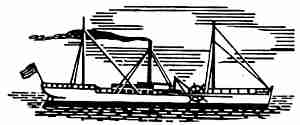 But presently smoke began to pour from the stack and the catcalls and
ridicule changed to cheers as the weird looking boat moved slowly up
the river.
But presently smoke began to pour from the stack and the catcalls and
ridicule changed to cheers as the weird looking boat moved slowly up
the river. 







